
Ankylosing spondylitis and other inflammatory spine conditions can cause pain, brittle bones, and spinal misalignment of the spine, which may lead to spinal instability or nerve compression. When non-surgical treatments are no longer effective, surgery may be required to correct deformities, relieve pressure on the nerves, and restore spinal stability using titanium screws and rods.
Surgery For Ankylosing Spondylitis and other Inflammatory Spine Conditions
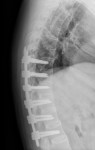
Ankylosing spondylitis is a chronic inflammatory disease of the spine. This disease may involve different areas including peripheral joints and non-articular structures. If you suffer from this condition, brittle bones and pinched nerves in the spine may occur. The spine may also develop abnormal alignment.
In some patients with severe deformity, spinal instability, or nerve compression, surgical treatment may be considered.
Infectious and Inflammatory Causes
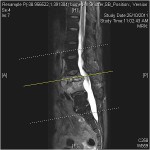
Infections of the spine can cause non-mechanical back pain. Spine infections are more common in individuals with diabetes mellitus or other conditions that lower immunity. Infection can be caused by pus-forming organisms (pyogenic) or slow-growing infections such as tuberculosis (Figure 9).
Spine infections may sometimes present with back pain as the only symptom. It is not necessary to have fever or other symptoms that are typically seen with infections elsewhere in the body.
Consulting a spine specialist is important in such cases of persistent back pain. If not treated in a timely manner, infection may cause significant damage to the spinal bones, leading to instability and risk to the nerves.
You may be referred by your rheumatologist for further evaluation if surgery is being considered. Surgery may involve inserting titanium screws and rods to correct spinal deformity (Figure 1), as well as decompressing the nerves and stabilising the spine.
When to See a Spine Surgeon
Inflammatory spinal conditions such as ankylosing spondylitis can lead to spinal deformity, nerve compression, and instability in advanced cases. When non-surgical treatment is no longer effective, surgery may help correct alignment, relieve pressure on the nerves, and restore stability. An assessment by a spine surgeon helps determine the most appropriate treatment approach.

|
Dr Hee Hwan Tak
Orthopaedic Surgeon & Spine Specialist MBBS (Singapore) | FRCS (Edinburgh) | FRCS (Glasgow) | FAMS (Ortho) |
| View Dr Hee Hwan Tak’s Profile → |