
Causes of Cervical Spine Deformity
Sometimes, a cervical spinal injury may not have been treated in a timely fashion, which can lead to significant spinal deformity such as a crooked or kyphotic spine. In some cases, particularly in neighbouring countries, spinal deformity may also be caused by infections (Figure 1) such as tuberculosis of the spine, resulting in destruction and collapse of the cervical spine.
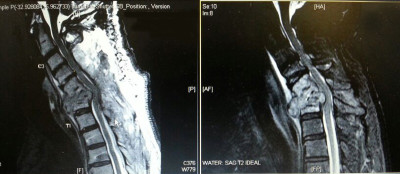
The consequences of such deformity may include neck pain, as well as symptoms related to spinal cord compression such as extremity weakness, numbness, and tingling. Bladder and bowel control may also be affected in more severe cases.
Reconstructive Cervical Spine Surgery Approach
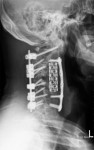
In severe cases, reconstructive surgery may be required to restore spinal alignment and relieve pressure on the spinal cord.
Reconstructive cervical spine surgery can be complex and may be performed from the back (posterior), front (anterior), or a combination of both approaches (Figure 2). When both approaches are required, the procedures may be performed on the same day or staged approximately 5 to 7 days apart.
When to Consider Reconstructive Spine Surgery
Surgery may be considered when there is significant spinal deformity, instability, or spinal cord compression affecting neurological function, and an evaluation by a spine surgeon can help determine the most appropriate treatment approach.

|
Dr Hee Hwan Tak
Orthopaedic Surgeon & Spine Specialist MBBS (Singapore) | FRCS (Edinburgh) | FRCS (Glasgow) | FAMS (Ortho) |
| View Dr Hee Hwan Tak’s Profile → |